
What is a Pitot Tube Pump? Working Principle & Advantages
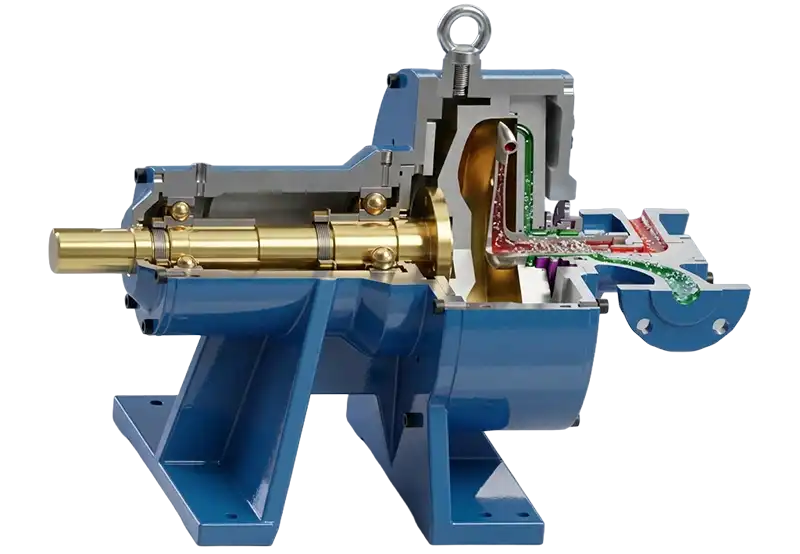
A Pitot Tube Pump is a highly specialized, high-pressure centrifugal pump characterized by a unique rotating casing (rotor) and a stationary fluid-collecting tube (pitot tube). Unlike multi-stage pumps, it generates pulsation-free, high-pressure fluid through a single rotating part, making it exceptionally reliable and cost-effective for low-flow, high-head applications.
How Does a Pitot Tube Pump Work?
(The Principle)
The pitot tube pump operates on a brilliantly simple yet highly effective concept. Unlike traditional multi-stage pumps, it consists of only two basic working components: a rotating casing and a stationary pitot tube.
Fluid Entry (Suction)
Liquid enters the pump through the inlet manifold and flows directly into the rotating casing (rotor).
Centrifugal Pressurization
As the casing spins at high speeds, centrifugal force pushes the fluid against the inner wall, creating a continuous, high-velocity ring of high-pressure liquid.
High-Pressure Discharge
The stationary pitot tube, positioned at the periphery, scoops up this fast-moving fluid. The kinetic energy is instantly converted into steady, pulsation-free high pressure as it is directed to the discharge port.
Pitot Tube Pump vs. Traditional Multi-Stage Pumps
Why replace your complex multi-stage or plunger pumps? See how the EHIK Pitot Tube Pump radically simplifies high-pressure fluid transfer, minimizing downtime and maintenance costs.
| Feature | EHIK Pitot Tube Pump | Multi-Stage Centrifugal Pump |
|---|---|---|
| Working Components | Only 2 basic parts (Rotating Rotor & Stationary Pitot Tube). | Dozens of complex parts (Multiple impellers, diffusers, wear rings). |
| Maintenance & Repair | Extremely simple. Can be serviced quickly without disconnecting piping or motor. | High downtime. Requires complete teardown, specialized tools, and precise balancing. |
| Low-Flow Performance | Stable. No radial thrust acting on the shaft, ensuring long bearing life even at minimum flow. | Poor. Prone to shaft deflection, heavy radial loads, and vibration at low flow rates. |
| Fluid Delivery | Smooth, pulsation-free high pressure in a single stage. | Pulsation-free, but requires multiple stages to achieve the same high pressure. |
| Total Cost of Ownership | Lowest in its class. Fewer spare parts needed and minimal maintenance hours. | High. Constant replacement of wear rings, mechanical seals, and multiple impellers. |
Where Pitot Tube Pumps Redefine Performance
From extreme petrochemical environments to high-precision water treatment, EHIK solutions are engineered for the most demanding high-pressure applications.
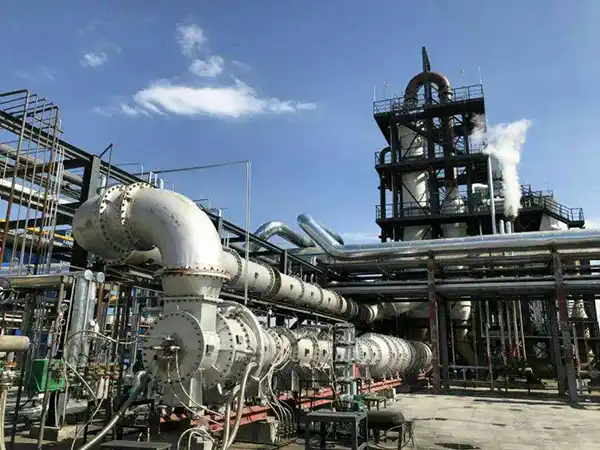
Carbon Black Industry
Enabling stable high-pressure feedstock injection and tail gas quenching with maintenance-free, zero-pulsation performance.
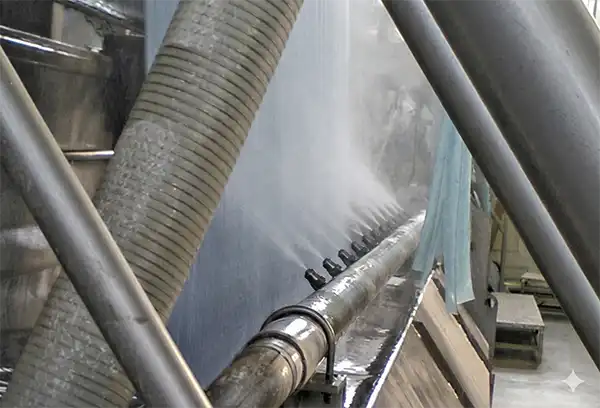
Pulp & Paper
Delivering constant high-pressure water for critical shower systems and central cleaning, eliminating the radial load issues of centrifugal pumps.
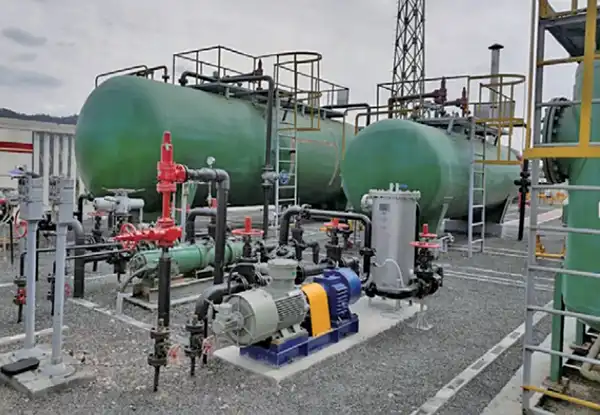
Oil & Petrochemical
Providing safe, explosion-proof solutions for high-pressure washdown, chemical dosing, and refinery fluid transfer.
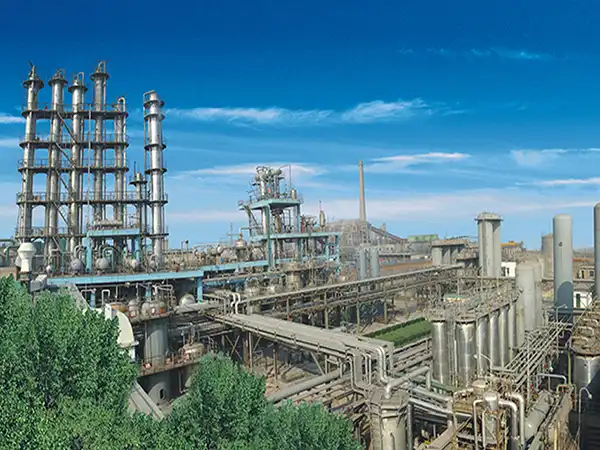
Chemicals
Precise, steady, and leak-free flow essential for sensitive chemical reactions and high-pressure corrosive fluid processing.
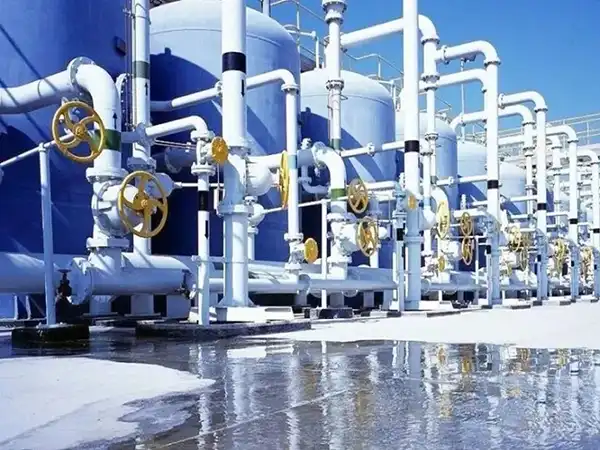
Boiler Feed Water
The gold standard for high-temperature boilers, offering reliable high pressure without the pulsation inherent in plunger pumps.
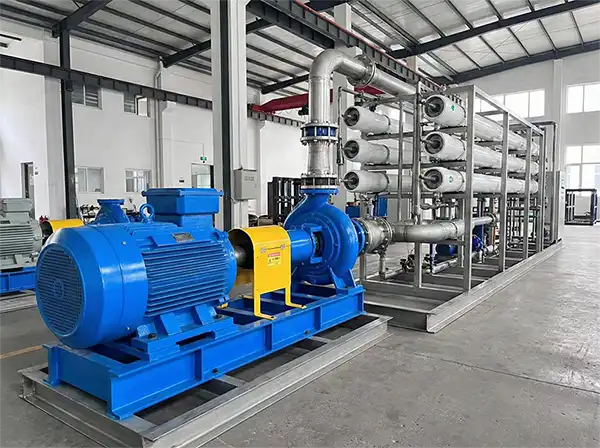
Water Treatment & RO
Optimizing Reverse Osmosis (RO) systems with high-head efficiency and minimal downtime for desalination and wastewater treatment.
Frequently Asked Questions
What is the maximum pressure and flow rate of a pitot tube pump?
Are EHIK pumps compatible as a Roto-Jet® alternative?
How often does a pitot tube pump require maintenance?
Does the pump handle corrosive or high-temperature fluids?
Why is the flow described as "pulsation-free"?
What information is needed for a technical selection and quote?
Can the pump handle fluids containing solids?
Does EHIK support VFD (Variable Frequency Drive) operation?
What is the typical lead time for spare parts and systems?
Ready to Optimize Your High-Pressure Operations?
Don't settle for the high maintenance costs and complexity of traditional pumps. Our engineering team is ready to design a custom Pitot Tube Pump solution tailored to your specific application.